
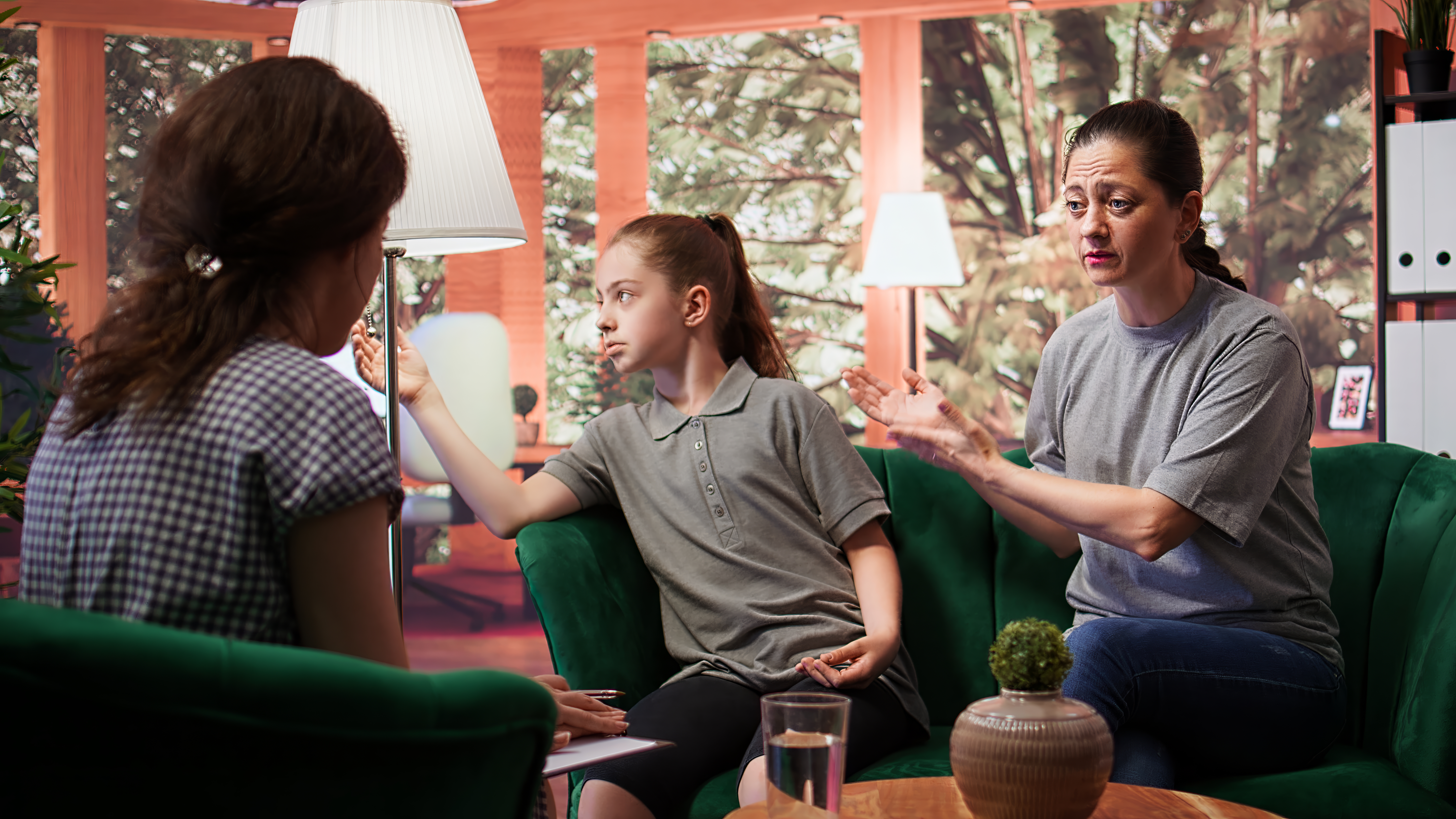
Adolescent Therapy: A Parent’s Quick Guide to Teen Wellbeing
Adolescence can bring big changes, new pressures, and moments where self-esteem and confidence begin to dip. Many young people feel unsure of themselves during this stage, and these feelings can sometimes become difficult to manage alone. This is where Adolescent Therapy can offer gentle, structured support.
Jane Gore Therapy provides a calm and welcoming space where teenagers feel safe to talk about their thoughts, emotions, and worries. Whether a young person is struggling with anxiety, low mood, school stress, or friendship challenges, therapy gives them room to explore these experiences and understand them with clarity.
With caring guidance and specialist knowledge, each session focuses on the needs of the individual teen. The aim is to help them grow stronger emotionally, build confidence, and develop healthy ways to cope with everyday life. Parents can feel reassured knowing their child has supportive guidance during an important stage of their development.
Table of Content
1. How Can Parents Spot Early Signs That Their Teen May Need Therapy?
2. What Happens During a Typical Adolescent Therapy Session?
3. Which Types of Therapy Are Most Effective for Teenagers?
4. What Role Do Parents Play in Supporting Their Teen’s Therapy?
5. Why Choose Jane Gore for Adolescent Therapy?
6. Conclusion
How Can Parents Spot Early Signs That Their Teen May Need Therapy?
Noticing when your teen might benefit from support can be challenging, but there are some early signs to watch for. Changes in mood, sudden withdrawal from friends or family, drop in school performance, or frequent irritability can all signal that your teen is struggling. Loss of interest in hobbies, difficulty sleeping, or persistent anxiety are other common indicators.
Adolescent Therapy offers a safe and supportive space for teenagers to explore their feelings, develop coping skills, and build resilience. By recognising these early signs, parents can seek help promptly, ensuring their teen gets the guidance and support they need to thrive.
What Happens During a Typical Adolescent Therapy Session?
During a typical adolescent therapy session, your teen will meet with a trained therapist in a safe and supportive environment. The session usually begins with casual conversation to help them feel comfortable and understood. The therapist may use talking, creative activities, or practical exercises to explore your teen’s thoughts, emotions, and behaviours.
Sessions focus on helping teenagers express themselves openly, build coping strategies, and work through challenges such as anxiety, low mood, or difficulties at school. Importantly, the therapist works at your teen’s pace, ensuring they feel respected and heard throughout the process.
Parents are often updated on general progress, but confidentiality is maintained to encourage honest communication. Over time, these sessions aim to boost confidence, resilience, and overall wellbeing, making adolescent therapy a valuable support for teens navigating the ups and downs of adolescence.
Which Types of Therapy Are Most Effective for Teenagers?
When it comes to adolescent therapy, there isn’t a one-size-fits-all approach. Different teens respond better to different methods depending on their needs and personality. Some of the most effective types include:
● Cognitive Behavioural Therapy (CBT): Helps teens recognise negative thought patterns and develop healthier ways of thinking and coping.
● Talk Therapy: Offers a safe space for teens to express feelings, explore challenges, and feel heard without judgment.
● Family Therapy: Engages the whole family to improve communication, resolve conflicts, and strengthen relationships.
● Art or Creative Therapy: Encourages self-expression through drawing, writing, or other creative outlets, which can be particularly helpful for teens who find it hard to talk about their emotions.
A skilled therapist will tailor the approach to each teen, ensuring that adolescent therapy supports their emotional growth, confidence, and overall wellbeing.
What Role Do Parents Play in Supporting Their Teen’s Therapy?
Parents play a vital role in supporting their teenager’s therapy journey, but it’s important to strike the right balance. Being involved doesn’t mean taking over the sessions; instead, it’s about creating a safe, understanding, and supportive environment at home.
You can help by actively listening to your teen without judgement, encouraging them to express their feelings, and showing patience as they work through challenges. Regularly checking in with the therapist, where appropriate, can also help you understand their progress and know how best to support them.
Ultimately, your role is to provide reassurance, celebrate small victories, and let your teen know that seeking help is a sign of strength, not weakness. Your support can make therapy more effective and help your teen build confidence and resilience in the long run.
Why Choose Jane Gore for Adolescent Therapy?
Jane Gore Therapy provides a warm and supportive environment where teenagers feel safe enough to express themselves openly. Each session is carefully shaped around the individual needs of the young person, helping them build self-awareness, resilience, and a healthier sense of self.
With specialist training and experience, Jane supports teens in building confidence, strengthening social skills, and handling challenges with greater ease. The focus remains on helping them grow into capable, self-assured, and confident individuals with a stronger understanding of who they are.
Conclusion
Adolescent Therapy offers young people a safe space to explore their feelings, build confidence and develop healthier ways to cope with life’s challenges. With the right support, teens can gain the tools they need to feel more grounded, hopeful and understood.
For parents, choosing a compassionate and experienced therapist can make a real difference and help your teen move towards a happier and healthier future with steady guidance every step of the way.
